
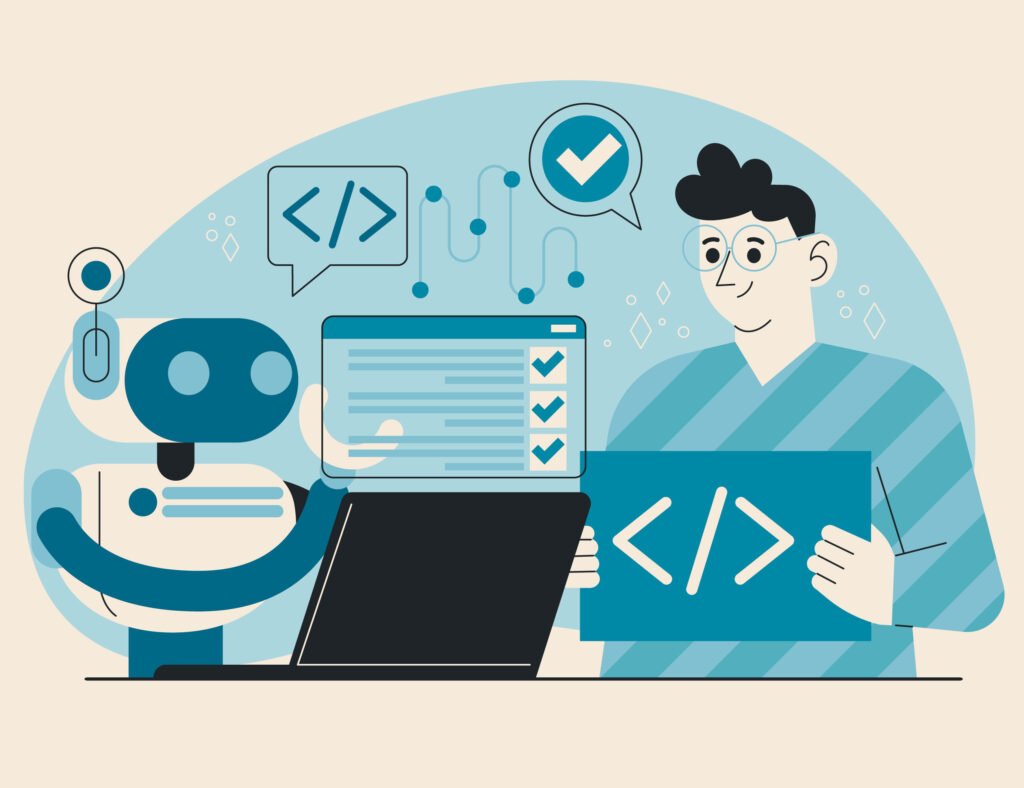
In the digital age, having a professional and engaging website is no longer a luxury — it’s a necessity. As competition rises and user expectations grow, businesses are looking for faster, smarter, and more efficient ways to build websites that stand out. This is where Artificial Intelligence (AI) is transforming the landscape. In 2025, web design with AI is not just a trend — it’s a revolution that’s reshaping how websites are built, optimized, and experienced.
What is AI in Web Design?
AI in web design refers to the use of artificial intelligence technologies to automate, enhance, and personalize various aspects of website creation and user experience. From generating layout suggestions to writing content, optimizing performance, and improving user journeys, AI helps reduce the time, cost, and complexity of designing a professional website.
AI-driven tools and platforms can now:
- Build complete websites based on user inputs
- Suggest layouts and designs based on industry trends
- Optimize SEO and content automatically
- Personalize content for different users
- Analyze visitor behavior for better UX
With AI, businesses of all sizes can create high-quality, user-friendly websites — even without coding skills.
Key Applications of AI in Web Design
1. AI Website Builders
Platforms like Wix ADI (Artificial Design Intelligence), Zyro, and Bookmark use AI to generate websites instantly. These builders ask a few basic questions (business type, style preferences, content needs) and then:
- Choose relevant design templates
- Auto-generate pages and sections
- Add images, text, and contact forms
- Ensure mobile responsiveness
This makes web design faster and more accessible, especially for small businesses or non-tech users.
2. AI-Powered UI/UX Design
AI tools analyze user behavior and suggest improvements in design and navigation. They can:
- Track where users click and scroll
- Detect bounce rates and time on page
- Recommend layout adjustments for better engagement
- Predict which design elements improve conversions
Tools like Adobe Sensei and Uizard use machine learning to help designers create more intuitive and user-friendly interfaces.
3. Content Generation & Personalization
AI can automatically write website content, headlines, product descriptions, and even blog posts using tools like:
- ChatGPT
- Jasper AI
- Copy.ai
Beyond content creation, AI also personalizes the content shown to different visitors. For example:
- Returning users may see personalized greetings or offers
- New visitors may be shown introductory messages or service overviews
- E-commerce sites may show products based on browsing history
This personalization boosts engagement and conversions.
4. SEO Optimization with AI
AI helps optimize websites for search engines by:
- Suggesting keywords based on search trends
- Generating SEO-friendly meta tags and titles
- Analyzing content readability and keyword placement
- Fixing technical issues like broken links or slow loading times
Tools like SurferSEO, Clearscope, and SEMRush AI make on-page SEO more efficient and data-driven.
5. Voice & Chatbot Integration
Web design in 2025 also focuses on interactive experiences, and AI plays a big role:
- AI Chatbots (like Drift or Tidio) are now common on websites, offering 24/7 support and guiding users through services or product options.
- Voice search compatibility is growing, and AI ensures that web content is optimized for voice assistants like Siri and Alexa.
These features improve user engagement and accessibility.
6. A/B Testing and Conversion Optimization
AI tools can run continuous A/B testing on your site — testing different headlines, button colors, layouts, and images — to see which versions perform best.
Platforms like VWO, Optimizely, and Google Optimize use machine learning to:
- Track user behavior
- Automatically adjust site elements
- Suggest layout or content changes based on performance
This ensures your site is always improving and adapting to user needs.
Benefits of Using AI in Web Design
✅ Speed & Efficiency
AI tools can generate a full website in minutes, which traditionally takes days or weeks. This reduces project timelines significantly.
✅ Lower Costs
AI reduces the need for large design teams, developers, or agencies — making professional websites more affordable for small businesses and startups.
✅ Better User Experience
AI continuously learns from user behavior and improves the site structure, navigation, and content, leading to better engagement and satisfaction.
✅ Improved SEO & Visibility
AI tools keep your website optimized with real-time SEO suggestions, increasing your chances of ranking higher on Google.
✅ Personalization
Each visitor gets a tailored experience based on their behavior, interests, and location — which increases conversions and builds brand loyalty.
Challenges of AI in Web Design
While AI brings many advantages, there are also some limitations:
- Lack of Human Creativity: AI-generated designs can sometimes look generic without a designer’s personal touch.
- Data Privacy Concerns: Personalization requires user data, which must be handled securely and ethically.
- Over-Reliance on Automation: Blindly trusting AI may result in missed opportunities for brand storytelling and design uniqueness.
The best results come from a blend of AI + human creativity.
The Future of AI in Web Design
In the coming years, AI will continue to evolve in web design through:
- Real-time design adjustments based on visitor feedback
- Emotion-based design changes using facial or voice recognition
- AI-generated animations, layouts, and micro-interactions
- Full integration with AR/VR experiences
The web of the future will be intelligent, adaptive, and immersive — designed not just for users, but with them in mind.
Conclusion
Web design with AI in 2025 offers a smart, cost-effective, and innovative way to build powerful websites that drive results. From design automation to user personalization, SEO, and chatbot integration — AI is transforming how brands create online experiences.
Whether you’re a small business owner, freelancer, or marketing agency, embracing AI in web design can help you deliver faster, smarter, and more impactful websites. But remember — the most effective web designs still balance the precision of AI with the creativity and emotion of human designers.
The future of web design isn’t just digital — it’s intelligent.