
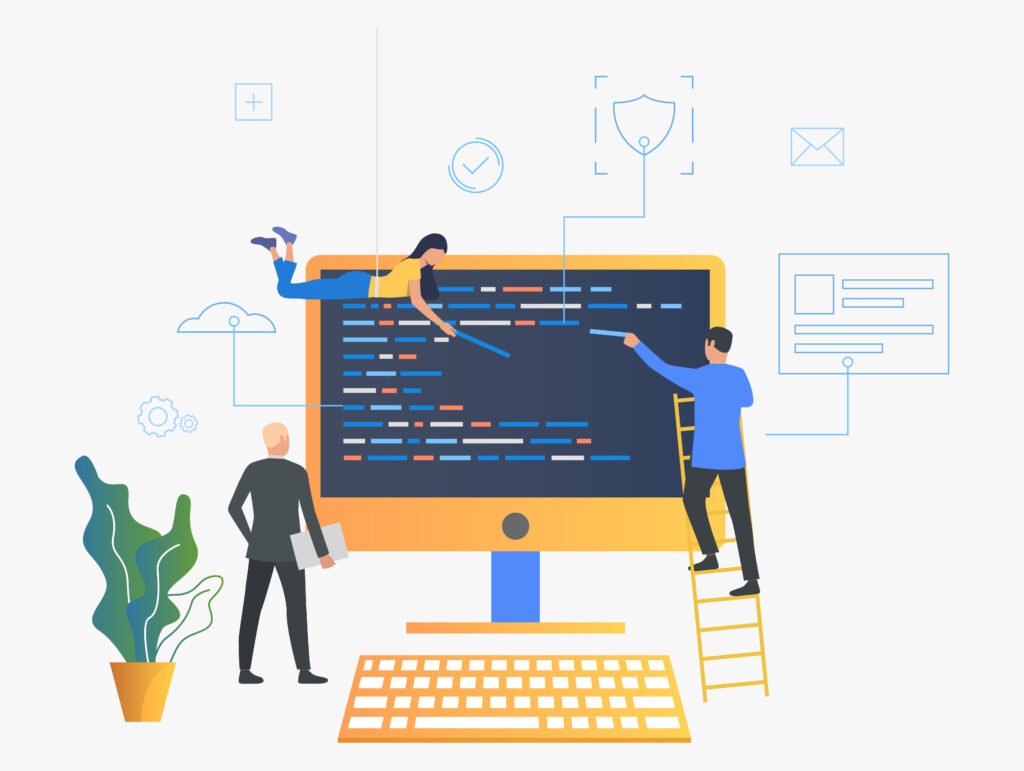
AI in SEO refers to the integration of artificial intelligence technologies like machine learning, natural language processing (NLP), and automation tools into SEO practices. These tools help in analyzing search patterns, generating optimized content, identifying SEO issues, and enhancing overall digital strategies.
AI doesn’t replace SEO — it enhances it. It helps marketers make data-driven decisions, personalize user experiences, and stay ahead of search engine algorithm changes.
Why AI Matters in SEO Today
Search engines like Google now rely heavily on AI technologies such as RankBrain and BERT to understand the context and intent behind user queries. These algorithms don’t just look for keywords — they analyze meaning, behavior, and relevance.
If your SEO strategy isn’t aligned with how AI-powered search engines think, your content may not rank — no matter how well-written it is. Using AI in your SEO strategy helps you speak the same “language” as the search engines, giving you a competitive edge.
Key Applications of AI in SEO
1. Smart Keyword Research
Traditional keyword research can be time-consuming and shallow. AI-powered tools now:
- Suggest relevant long-tail and semantic keywords.
- Predict future keyword trends.
- Cluster keywords by topic and search intent.
Tools like SurferSEO, Clearscope, and Ahrefs AI features analyze massive datasets and provide deeper, more strategic keyword suggestions.
2. Content Creation & Optimization
AI tools like Jasper, Frase, and MarketMuse assist in creating high-quality, SEO-friendly content. They can:
- Generate content drafts.
- Suggest headings and structure.
- Optimize keyword density and readability.
- Match your content with searcher intent.
These tools don’t replace human creativity — they enhance it and help align content with search engine algorithms.
3. Voice Search Optimization
With the rise of voice assistants like Siri, Alexa, and Google Assistant, optimizing for voice search is crucial. AI helps:
- Analyze conversational queries.
- Optimize for question-based and long-tail keywords.
- Structure content for featured snippets.
Voice searches are more natural and specific. AI ensures your content is ready for this growing trend.
4. Technical SEO Automation
AI-powered tools like Screaming Frog, SEMRush, and DeepCrawl can:
- Scan websites for broken links, duplicate content, and crawl errors.
- Identify mobile usability issues.
- Suggest schema markup improvements.
- Analyze site speed and performance.
This automation saves time and ensures your site is always search-engine friendly.
5. Predictive SEO
AI can analyze user behavior and search trends to predict what people will be searching for next. This helps businesses:
- Create content before demand peaks.
- Stay ahead of competitors.
- Capitalize on seasonal or trending topics.
Predictive SEO is especially useful for e-commerce, news, and fast-moving industries.
6. Competitor Analysis
AI tools track and analyze your competitors’ SEO strategies by examining:
- Their top-performing pages.
- Backlink profiles.
- Keyword strategies.
- Content gaps you can fill.
This insight helps you develop smarter, data-backed campaigns.
7. Personalized User Experience
AI analyzes visitor behavior and demographics to deliver personalized content and UX. This results in:
- Higher engagement.
- Longer time spent on site.
- Lower bounce rates — all of which benefit SEO rankings.
Personalization can include dynamic landing pages, tailored blog suggestions, or location-based content.
Popular AI Tools for SEO
Here are some widely used AI tools that help businesses improve their SEO performance:
| Tool | Main Function |
|---|---|
| SurferSEO | On-page optimization & content strategy |
| Jasper AI | AI-powered content writing |
| Frase | Topic research & content briefs |
| SEMRush | SEO audits, keyword & competitor analysis |
| MarketMuse | Content gap analysis & optimization |
| Clearscope | Content optimization using NLP |
These tools not only save time but also help marketers work smarter.
Benefits of Using AI in SEO
- Increased Efficiency – Automate repetitive tasks like audits and reporting.
- Smarter Strategy – Make data-driven decisions based on real-time insights.
- Improved Accuracy – Reduce guesswork in keyword targeting and content creation.
- Better Rankings – Align content with what search engines and users are looking for.
- Enhanced User Experience – Deliver personalized, relevant experiences.
Challenges of AI in SEO
While AI offers significant advantages, it also has some limitations:
- Requires human oversight to maintain creativity and brand voice.
- Over-reliance on tools can lead to generic content.
- Learning curve involved in mastering AI platforms.
It’s important to balance AI assistance with strategic thinking and human insight.
The Future of SEO is AI-Powered
As search engines become smarter, SEO strategies must evolve. AI is no longer optional — it’s essential. Whether you’re a digital marketer, content creator, or business owner, integrating AI into your SEO workflow will help you:
- Stay competitive.
- Improve rankings.
- Drive more traffic.
- Deliver better user experiences.
Those who embrace AI in SEO today will lead the digital marketing space tomorrow.
Conclusion
AI is transforming SEO from a manual, time-intensive process into a smarter, more effective strategy. From content creation and keyword research to technical audits and user personalization, AI tools are helping businesses of all sizes reach their digital goals faster and with greater precision.
The key is not to fear AI — but to use it as a powerful partner in your SEO journey.